
Cross-platform gaming is one of the most significant changes in the gaming industry over the past decades. The ability to play together, regardless of the device, breaks down barriers between platforms and makes games more accessible to everyone. Consoles, PCs, and mobile devices once existed in parallel worlds, but now, the boundaries are blurring. This not only expands the audience but also changes the gaming culture itself. I decided to explore how cross-platform gaming evolves and what technologies make it possible.
The first steps of cross-platform gaming
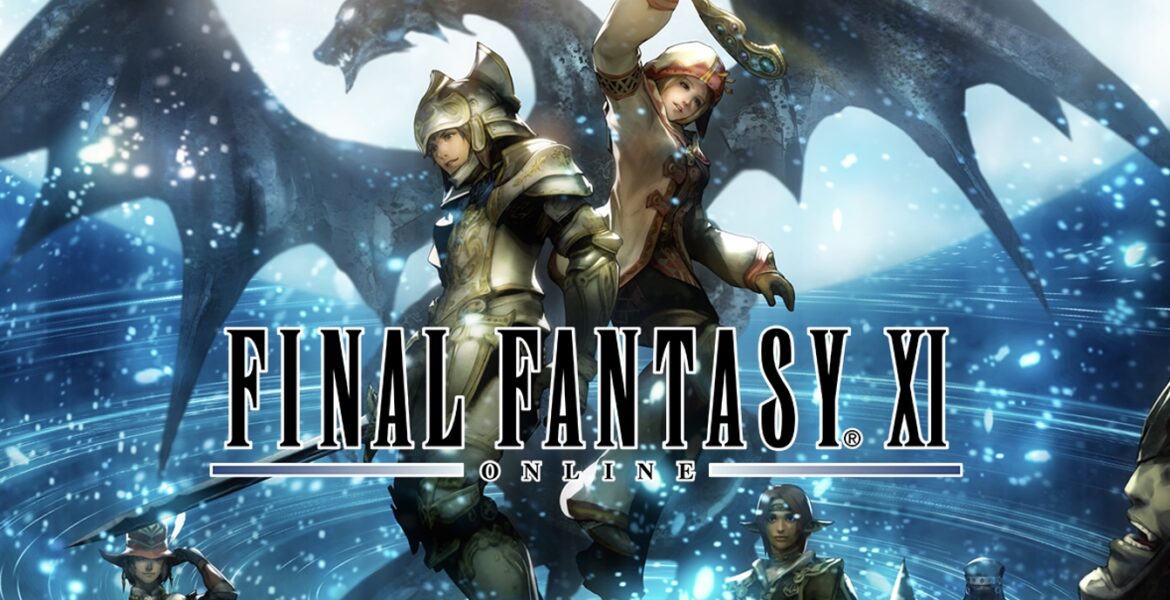
The idea of playing together across different platforms once seemed impossible. Companies kept players within their ecosystems, and technical limitations made cross-platform multiplayer games difficult. Consoles, PCs, and mobile devices operated separately, even when the same game was available on multiple platforms. Early attempts to connect players appeared in the 2000s but were rare. Final Fantasy XI (2002) allowed PlayStation 2 and PC users to play together, but such cases were exceptions. The biggest obstacles were server limitations and Microsoft, Sony, and Nintendo’s reluctance to enable cross-play.
Major progress came with cloud technologies and game engines, making cross-platform support more accessible. Modern shooters like Call of Duty: Warzone and Fortnite let players choose to compete only within their platform or across all platforms. Esports also played a key role in this shift. While VALORANT isn’t fully cross-platform, it sets standards for competitive shooters and fosters an entire ecosystem. Because of this, valorant betting is gaining popularity, as the game’s dynamic meta keeps fans engaged. The ability to follow matches and predict outcomes enhances the experience, making the scene even more exciting. Today, cross-platform gaming feels natural, but reaching this point took years. With further technological advancements, we may soon see a future where platform choice becomes completely irrelevant.
How cross-platform technologies work
Cross-platform gaming wouldn’t be possible without a strong technological foundation. Different devices use different architectures, operating systems, and data processing methods, making compatibility a complex challenge. Consoles run on specialized chips, PCs use universal processors, and mobile devices are limited by their computing power.
The primary tool enabling cross-platform interaction is the game engine. Unreal Engine, Unity, and proprietary engines from major studios support cross-platform development, allowing developers to create a single codebase for all devices. Cloud technologies store game progress, inventory, and other data, ensuring that players can, for example, start a game on a console and continue on a PC without losing progress. Genshin’s Impact has implemented this flawlessly, allowing players to switch between mobile devices, PCs, and PlayStation. Another key aspect is control balance. Gamepads lack the precision of a keyboard and mouse, so in shooters, developers introduce aim assist and allow players to disable cross-platform matchmaking. In Apex Legends, console players only face PC gamers if they have a PC player in their squad.
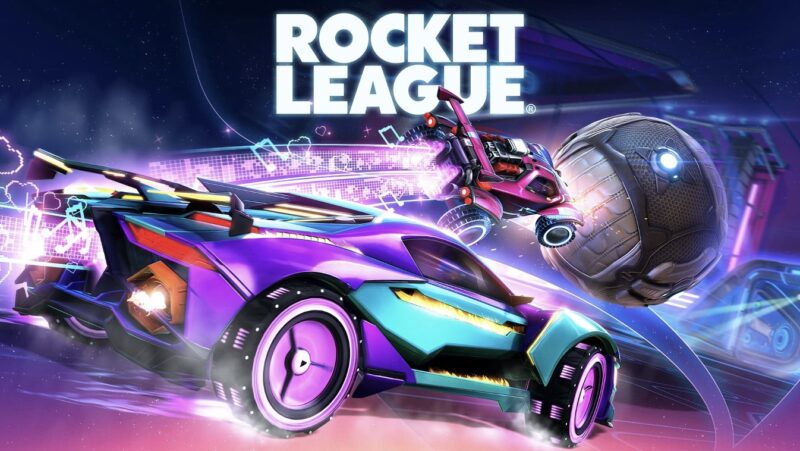
Performance also plays a significant role. PCs allow players to enjoy high frame rates, while consoles are often capped at 60 FPS. In fast-paced games like Rocket League, this can impact balance. However, cloud gaming and machine learning are already helping to adapt gameplay across different platforms, bringing us closer to a future where the device no longer matters.
The fight for fair play
One of the biggest challenges in cross-platform gaming is balancing players across different devices. This issue is especially evident in competitive games: PC gamers benefit from the precision of a mouse and higher frame rates. At the same time, console players rely on controllers, which are inherently less accurate. To bridge this gap, developers implement aim assist and other control aids, but these features are controversial. Some believe they help level the playing field, while others argue they provide unfair advantages. For example, in certain shooters, aim assist can still function even when a player is blinded by a flashbang, making it feel unbalanced. Some studios offer flexible cross-platform settings. In Warzone and Fortnite, players can disable crossplay if they prefer not to compete against users from different platforms. Other games, like Overwatch 2, separate ranked modes—console players compete with each other while PC players have their pool. Mobile gaming is a unique case. A few years ago, it lagged behind consoles and PCs, but now the gap is closing. Modern smartphones support high frame rates, and the ability to connect controllers makes gameplay nearly identical to console gaming. Call of Duty: Mobile already offers crossplay between smartphones and PCs (via emulators), and in the future, mobile games may fully match the quality of major gaming projects.
The future of cross-platform gaming
Cross-platform technologies have already become the standard, but the industry continues to evolve. One of the key directions is cloud gaming, which could completely erase the boundaries between devices. Services like GeForce Now, Xbox Cloud Gaming, and PlayStation Remote Play allow players to run demanding games on weaker devices, including smartphones and tablets. In the future, these technologies will become even more accessible, with minimal latency, making the player’s platform irrelevant. Another major trend is universal accounts and cross-platform progression. More and more games allow seamless switching between devices without losing progress. For example, in Diablo IV, players can start on PC, continue on console, and switch back. This creates a smooth gaming experience where the platform no longer limits the player. We may stop considering which device we are playing on in a few years. The focus will shift from hardware to the gaming experience itself. With the growth of cloud technologies, universal services, and increasing unification of gaming platforms, cross-platform gaming might not just be a feature; it could become the new industry standard.
Cross-platform gaming is no longer just a convenient feature—it is one of the most significant milestones in the evolution of the gaming industry. It makes games more accessible, connects players, and removes platform barriers, allowing everyone to choose where and how they want to play. Of course, challenges remain, including balance issues, control differences, and technical limitations, but technology is advancing rapidly. Cloud services, universal accounts, and improved network infrastructure will make cross-platform gaming more seamless and widespread. In the end, games are becoming less about the device and more about the experience itself, which is the greatest achievement of modern technology.
Article edited by Alexander Elisab